
There’s something undeniably intoxicating about the musical Anastasia which opened at the Sydney Lyric Theatre on Friday night — a sweeping, old-school musical that leans hard into romance, spectacle and nostalgia. It’s the kind of show that knows exactly how to seduce an audience: soaring melodies, lavish design, and just enough fairy-tale gloss to smooth over the darker edges of history. And for the most part, it works. When it soars, it really soars. But when it falters, you can’t help but notice the cracks in a book that never quite decides what story it wants to tell.
Let’s start with the performances — because this cast is doing some seriously heavy lifting.
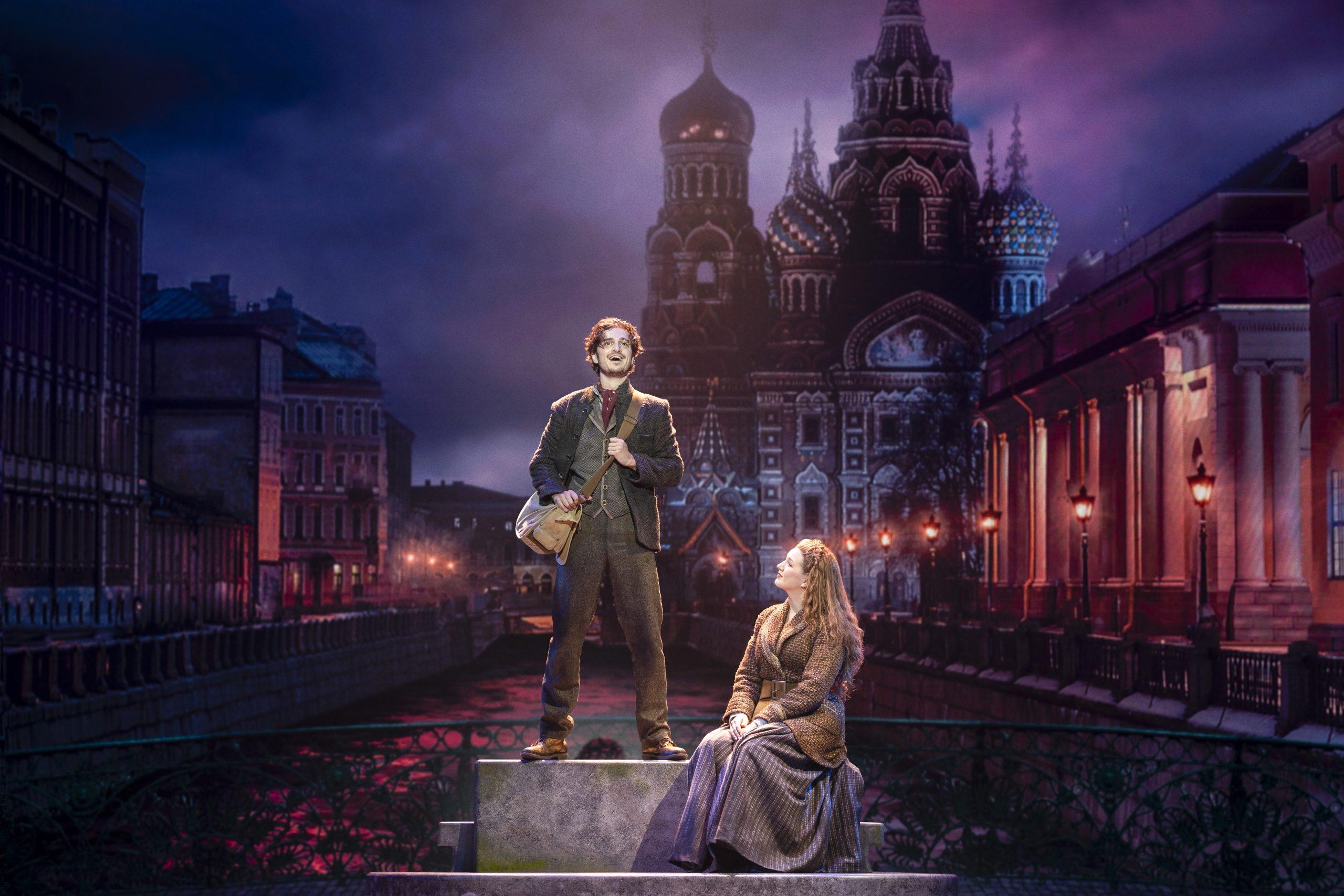
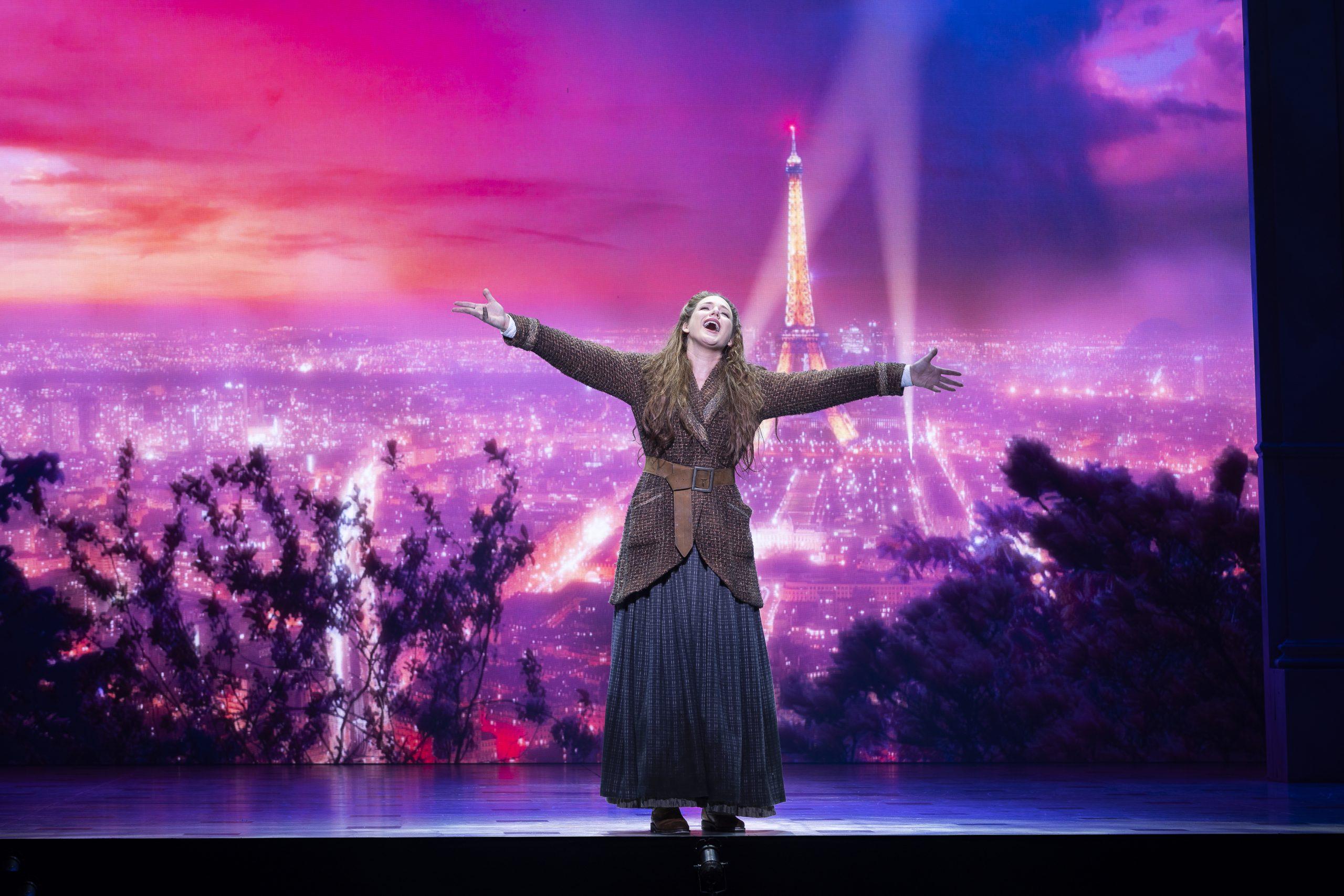
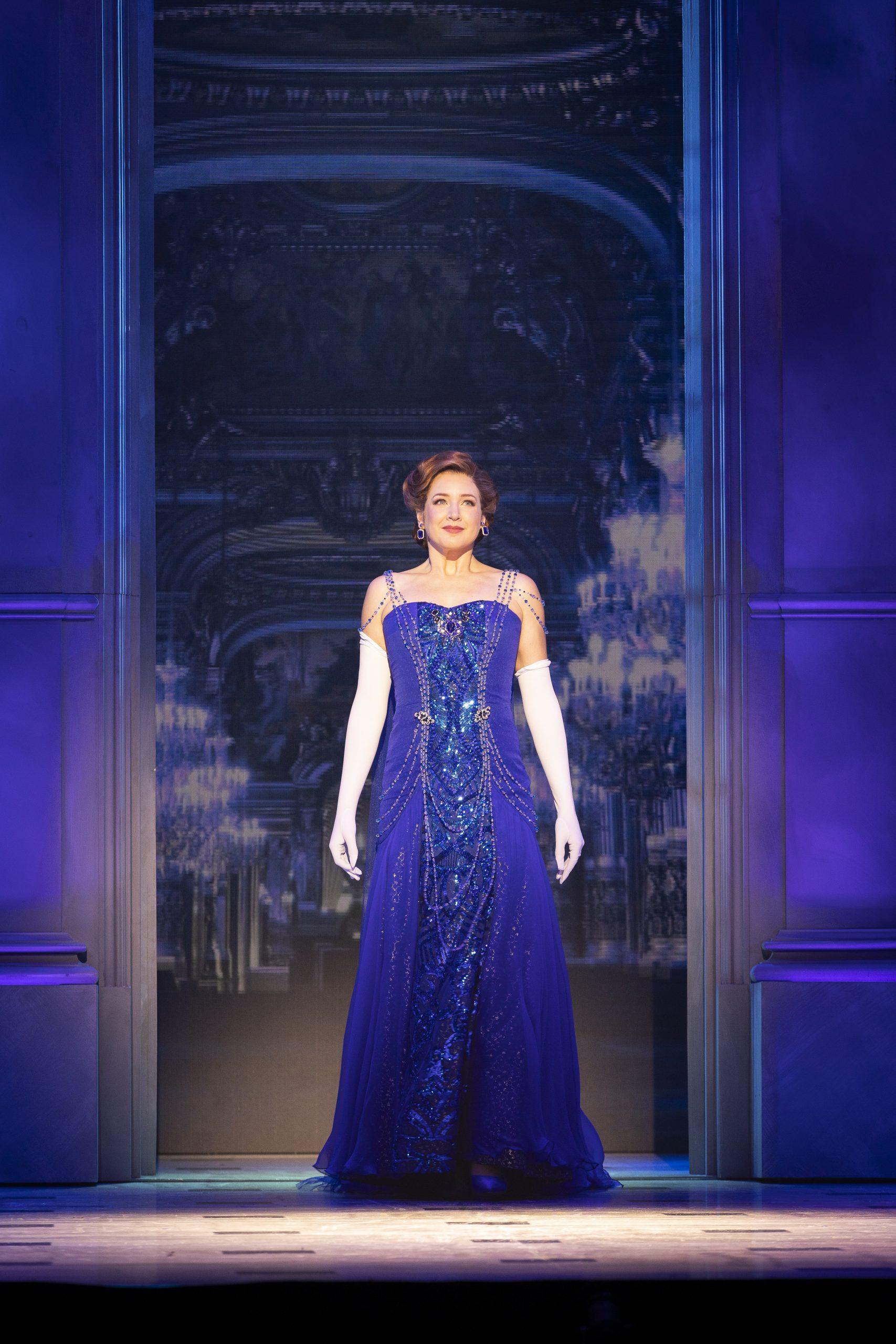
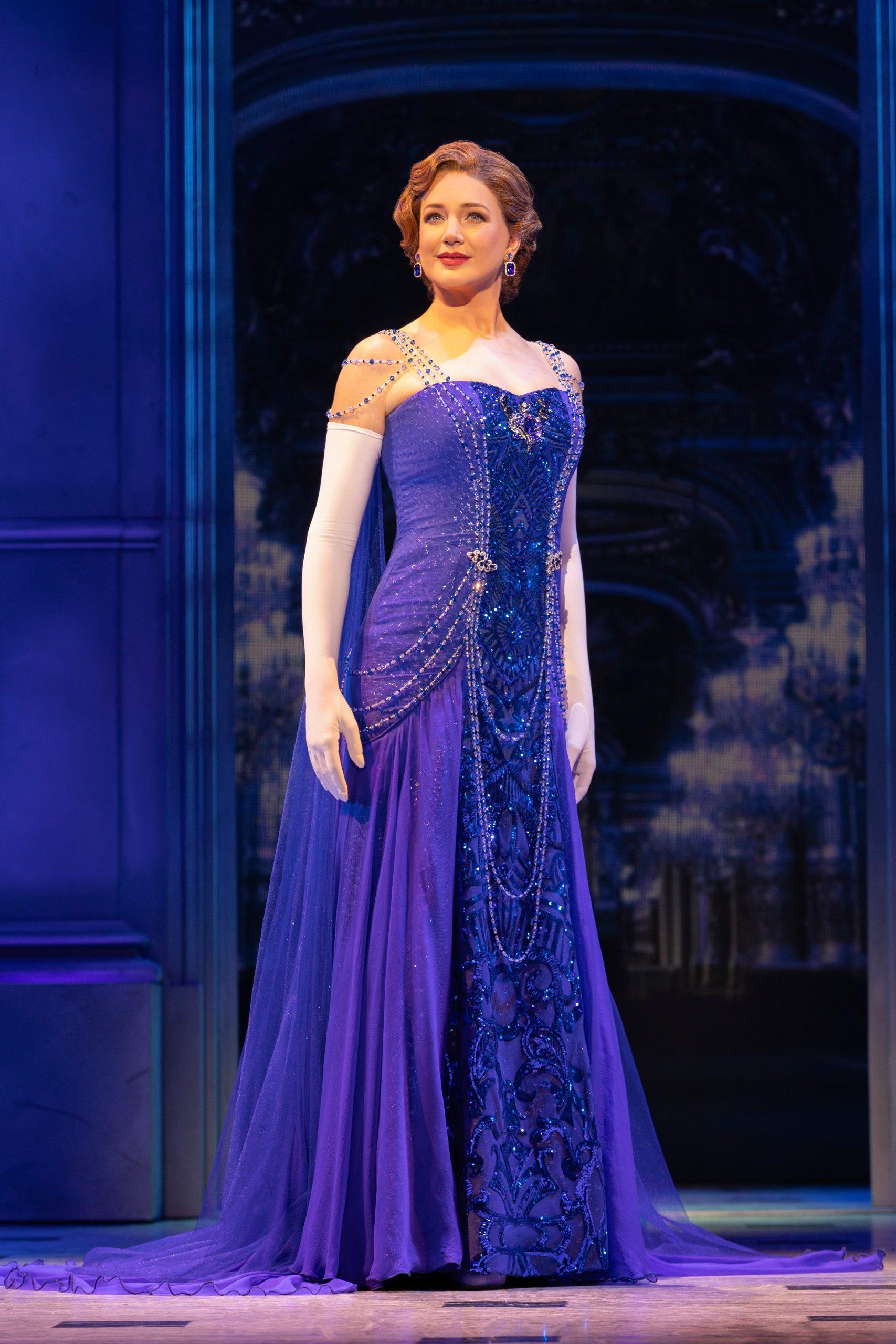
Georgina Hopson delivers what can only be described as a star-making turn in the title role. There’s a grounded authenticity to her Anya that cuts cleanly through the show’s more fantastical tendencies. She resists the urge to play the mystery and instead leans into the humanity of the character — a smart choice that pays off emotionally. Vocally, she’s outstanding. With star turns in recent years as Christine in Phantom of the Opera and Rose in Titanique, Hopson has established herself as one of the brightest and most versatile stars in Australian musical theatre and can now add bonafide princess to her impressive list of credits. Her Journey to the Past is everything you want: controlled, expansive, and emotionally connected without ever tipping into melodrama. It’s a moment that reminds you why this show continues to endure.
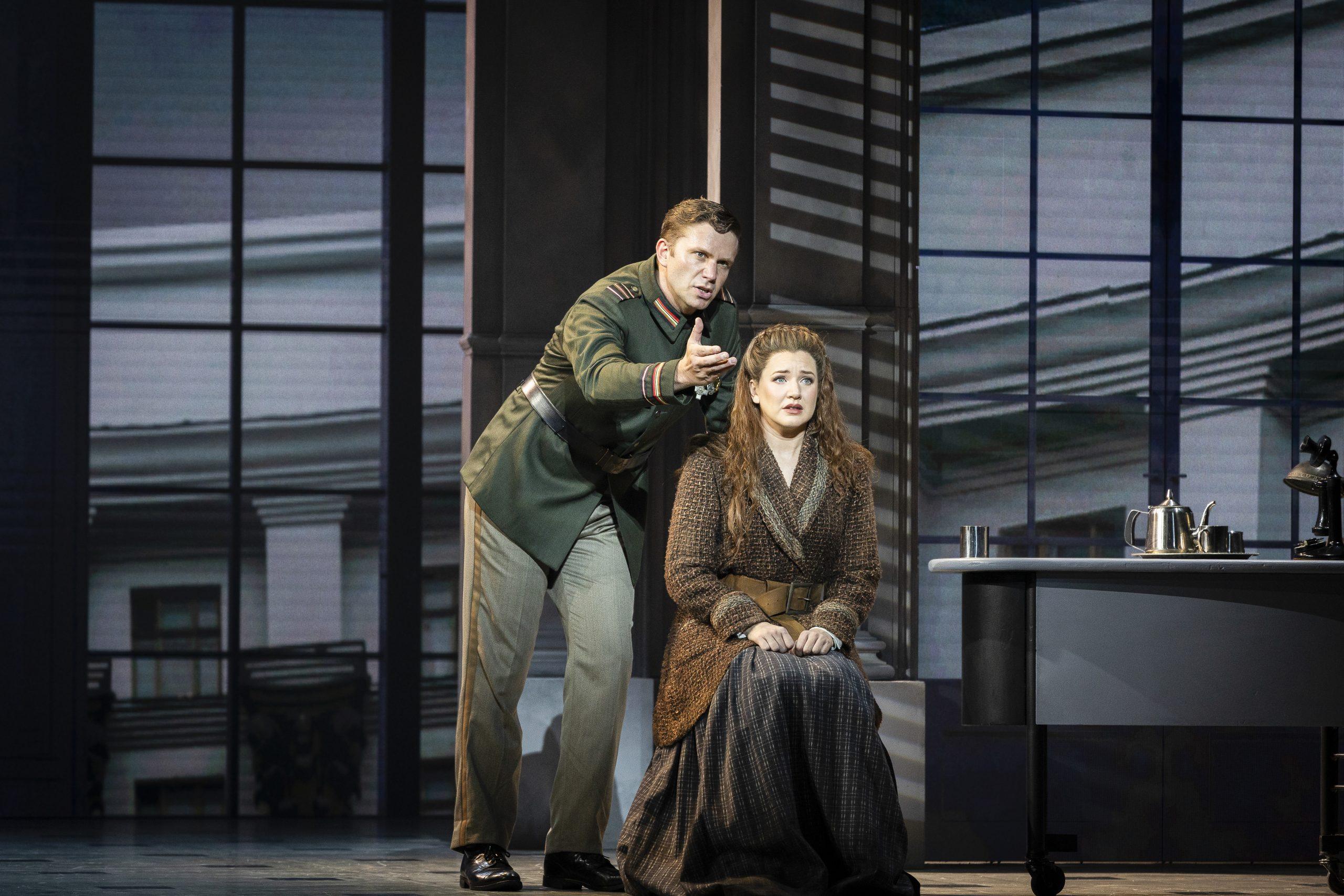
Opposite her, Robert Tripolino is an effortlessly charismatic Dmitry, finding that delicate balance between cynical opportunist and romantic lead. He has an easy charm that never feels laboured, and his chemistry with Hopson is both playful and believable — the kind of onstage connection that carries the show through its weaker narrative beats. Their duets land with genuine warmth, grounding the central love story in something that feels earned rather than manufactured.
Joshua Robson’s Gleb is where things get more interesting. It’s a role that often suffers from the show’s uneven writing, but Robson elevates it with a brooding intensity that gives the character a moral complexity the script only gestures toward. His internal conflict — duty versus empathy — becomes one of the more compelling threads in the production, even if the narrative doesn’t always know what to do with it. Robson makes you wish the book trusted this storyline enough to fully explore it. Gleb was a new character created for the stage musical which replaced the more supernatural Rasputin in the animated feature. Changing the “villain” of the piece from mystical and mysterious Russian soothsayer to communist army officer was certainly a narrative choice but one which feels rushed and not fully realised.
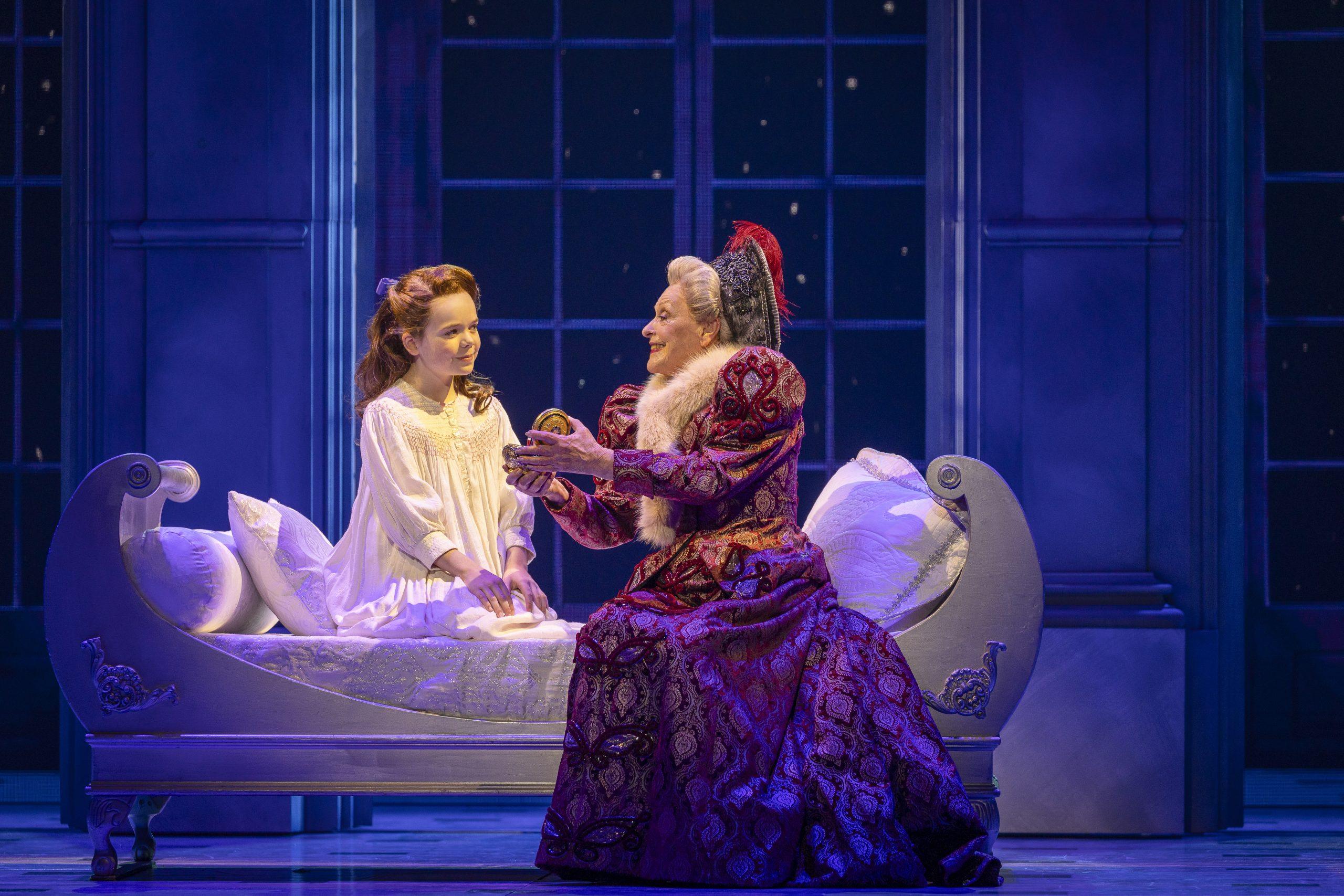
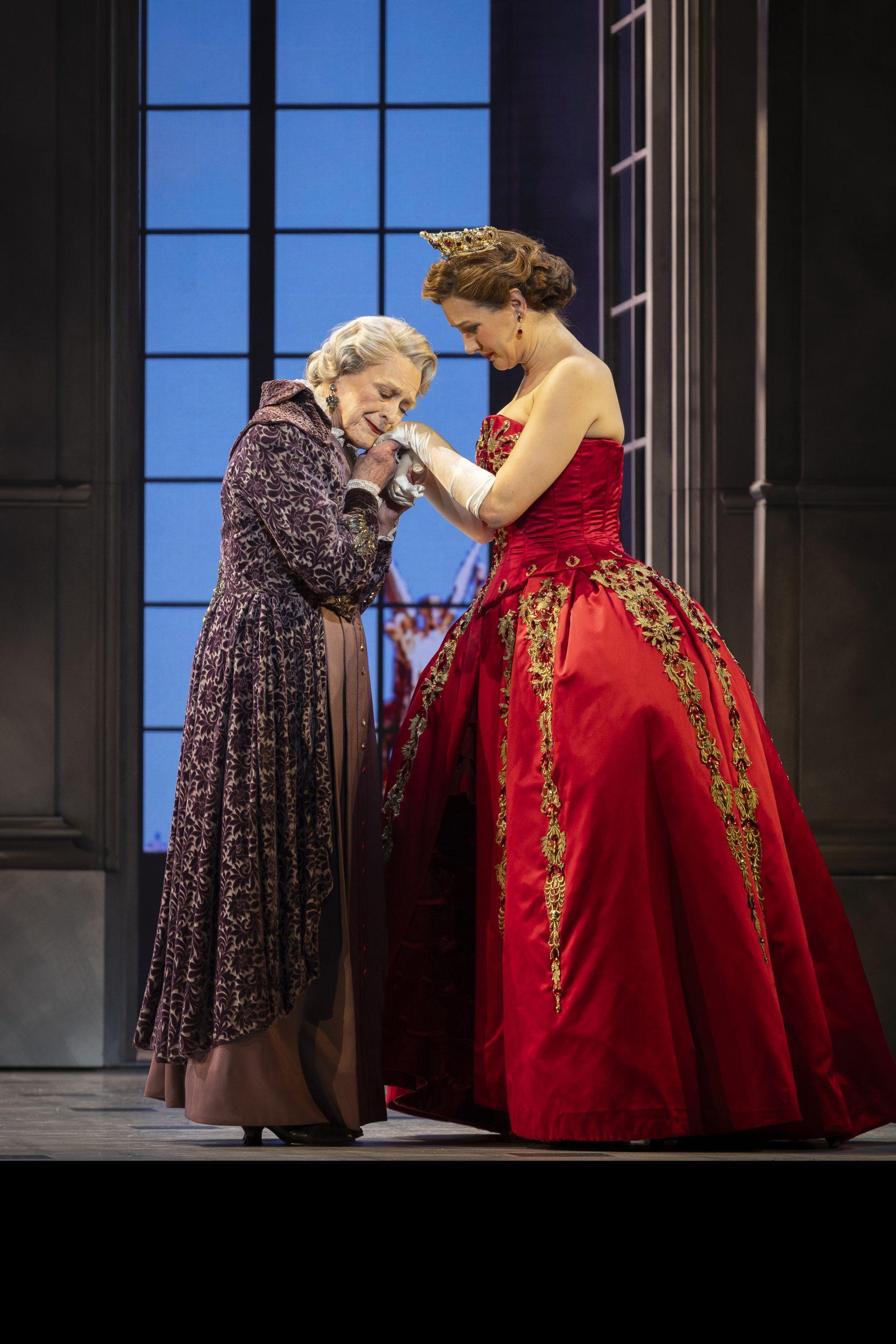
And then there’s Nancye Hayes, who brings a level of polish and gravitas that quietly lifts every scene she’s in proving once again, why she has had a career spanning decades. There’s an ease to her performance that only comes with experience — every gesture, every line reading feels considered and precise. It’s a reminder that sometimes the most powerful stage presence isn’t about doing more, but about doing exactly enough.
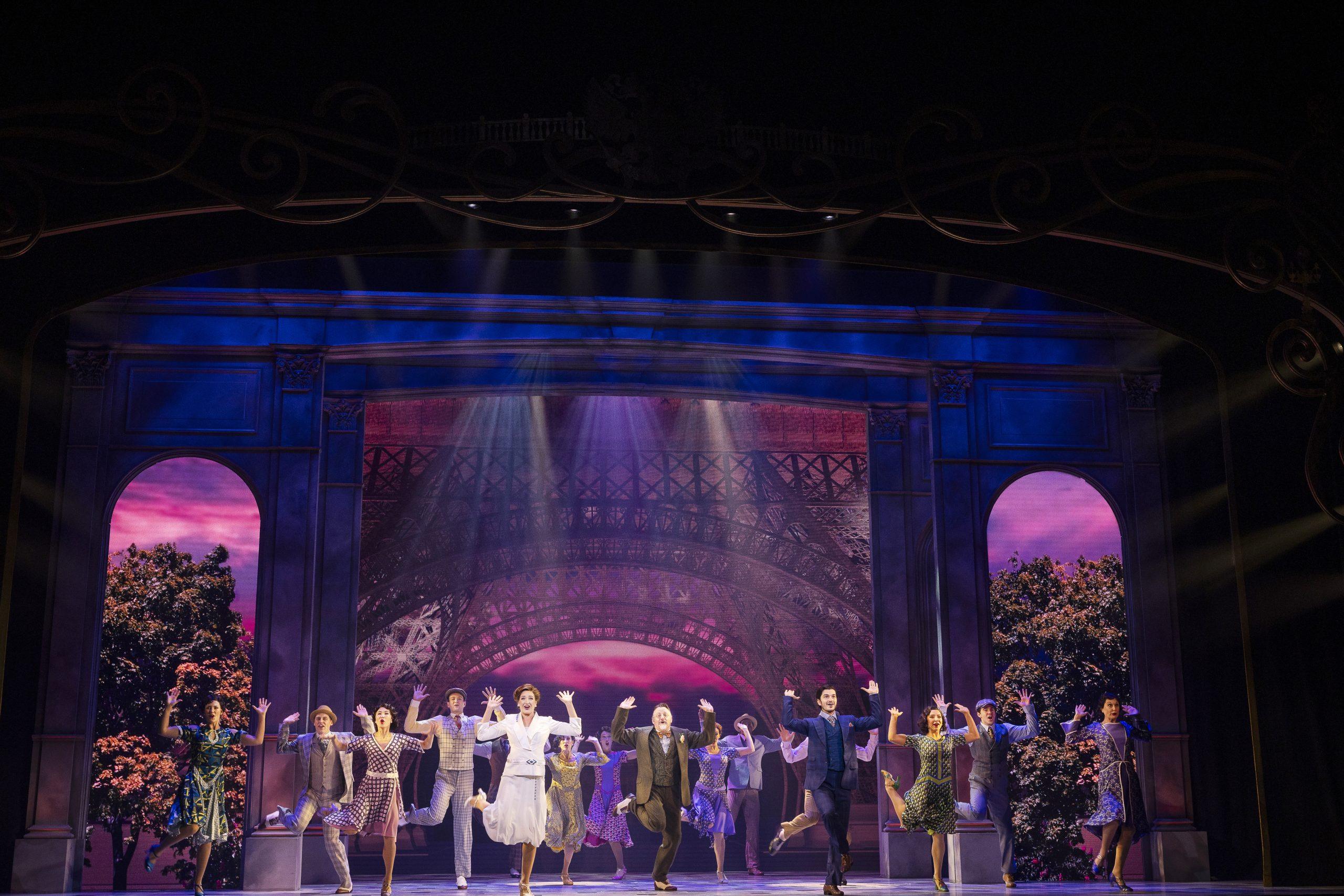
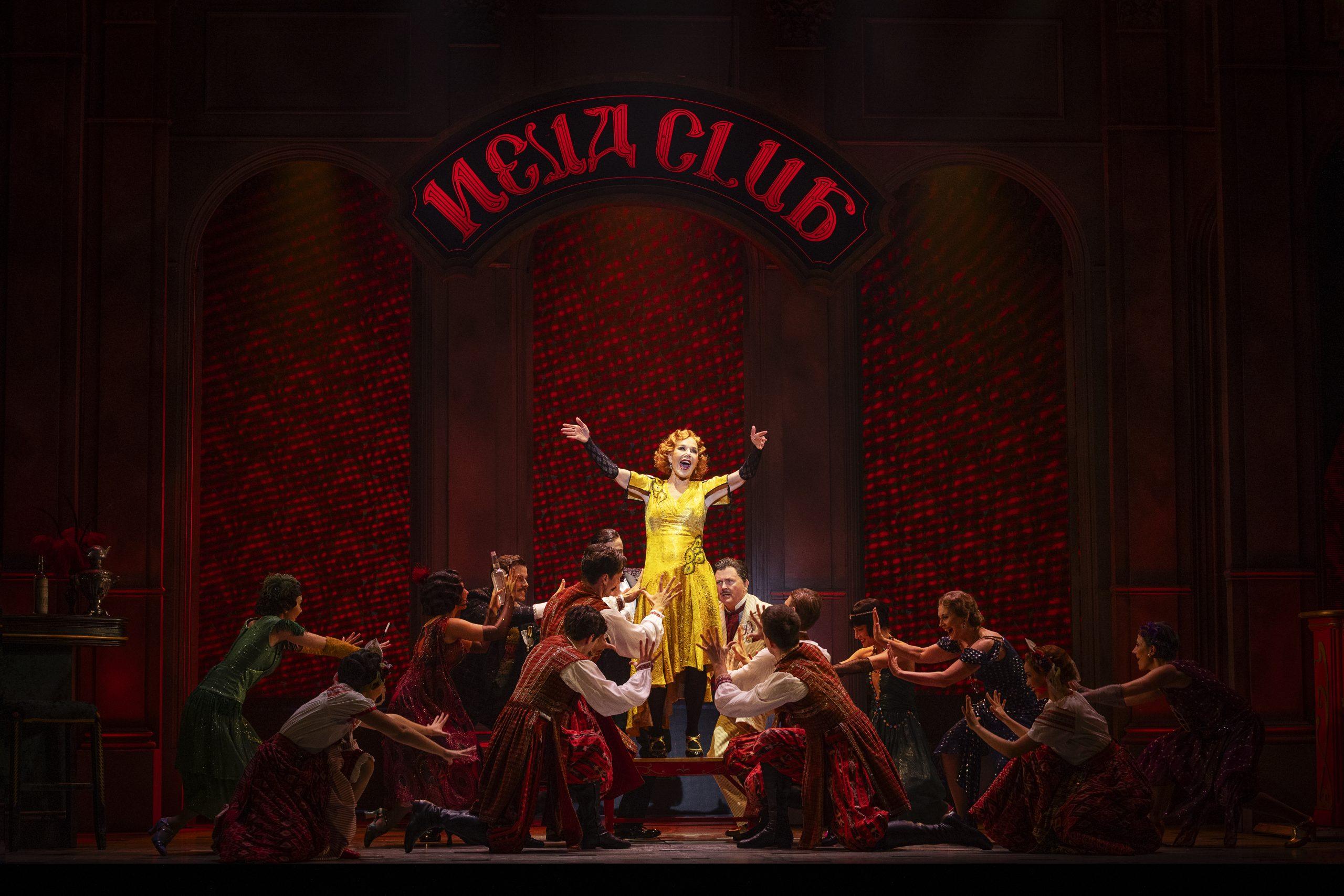
The supporting cast is just as finely tuned, particularly Rhonda Burchmore and Rodney Dobson, whose chemistry provides some of the show’s most genuinely delightful moments. Burchmore leans into the theatricality of her role with a knowing wink, delivering glamour and comic timing in equal measure, while Dobson matches her beat for beat with a performance that is both grounded and quietly hilarious. Together, they create a dynamic that feels effortless — a reminder of how effective strong character work can be, even in a show juggling as many tonal shifts as this one.
Visually, this production is where Anastasia truly flexes.
Linda Cho’s costumes are nothing short of exceptional — a parade of opulence that leans unapologetically into imperial grandeur and Parisian chic. From sweeping gowns to sharply tailored suits, every piece feels meticulously considered, not just for spectacle but for storytelling. The transitions between Russia and Paris are particularly striking, with the wardrobe doing as much narrative work as the script sometimes fails to deliver.
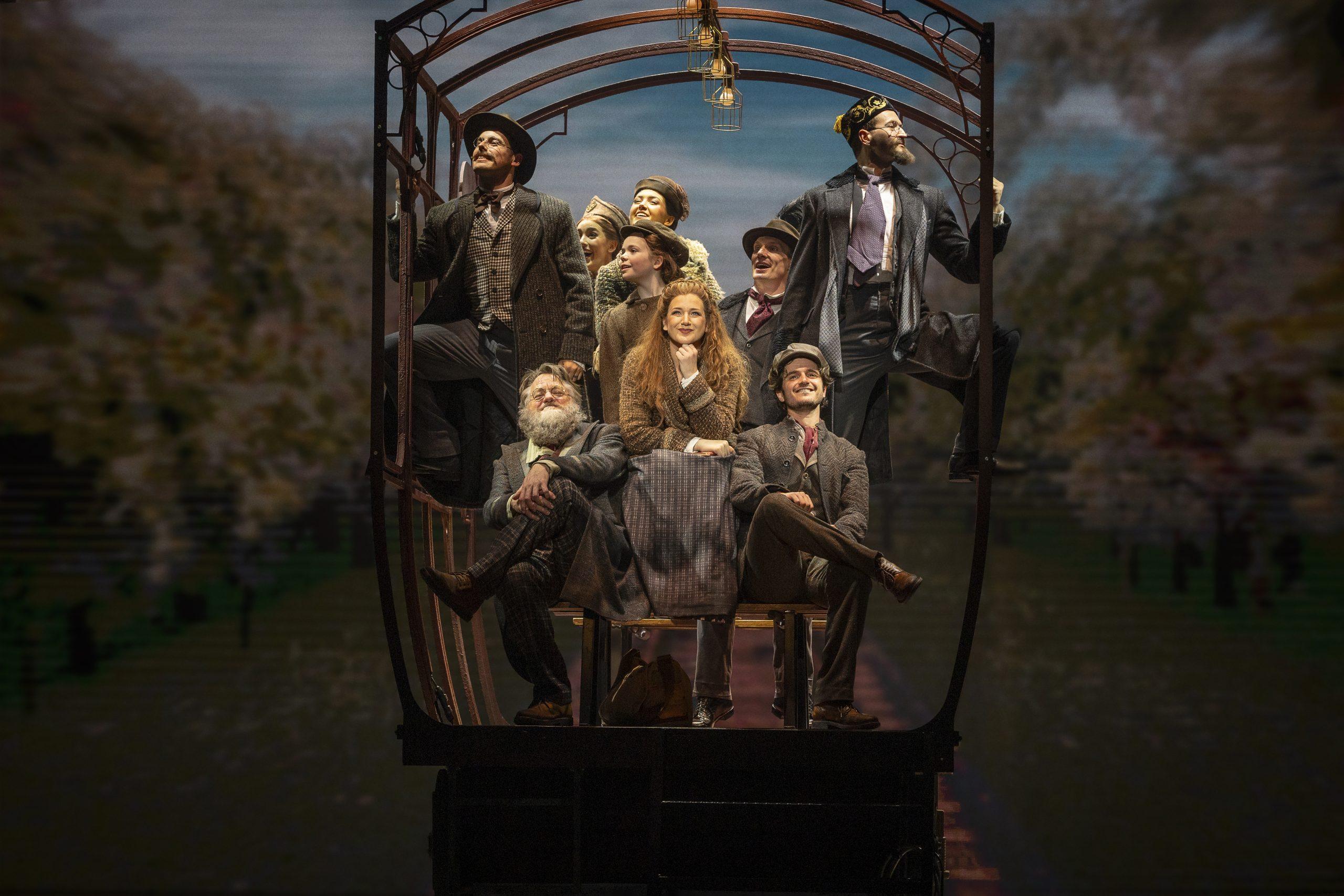
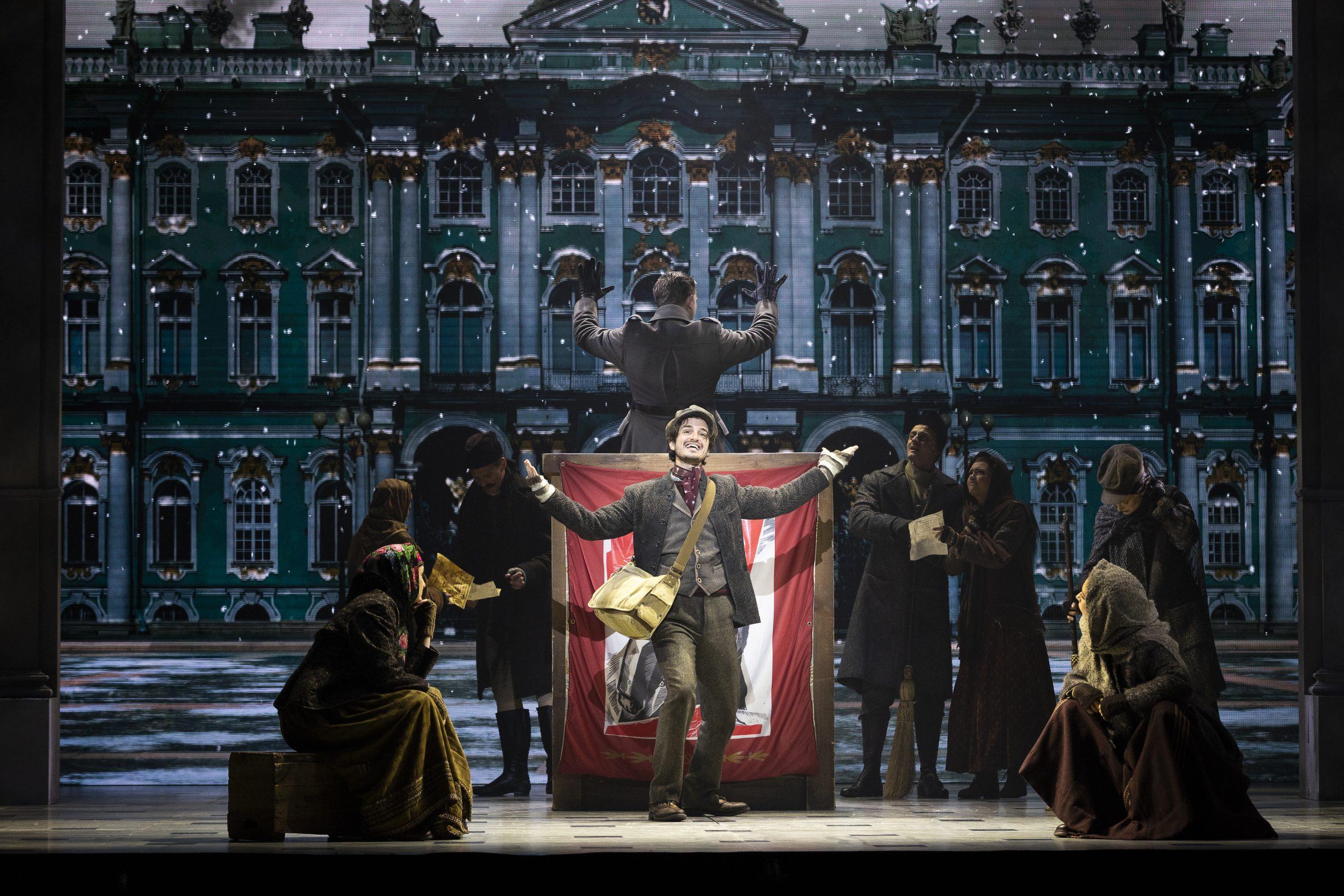
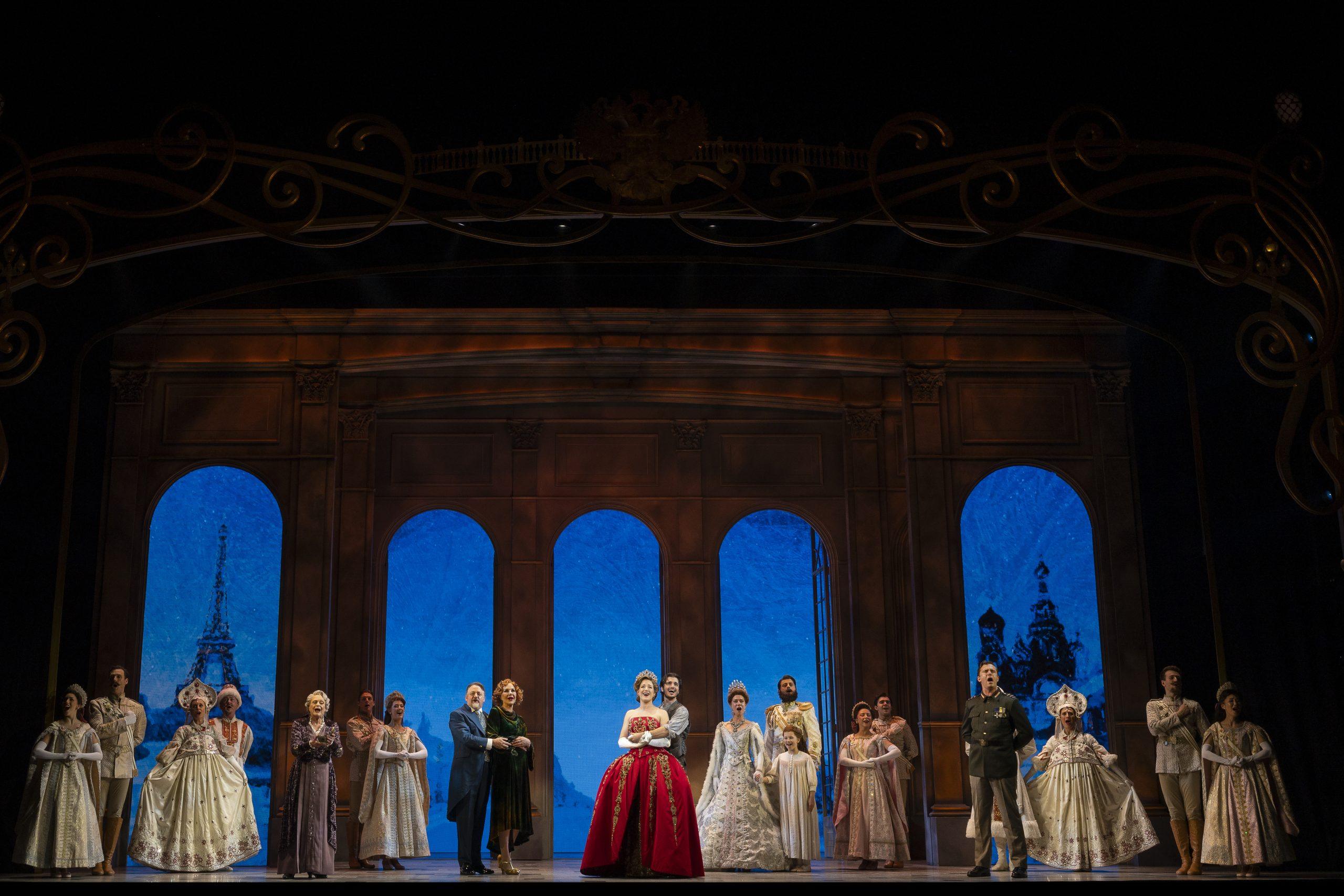
And then there’s the set — or more specifically, the innovative use of video screens. It’s a design choice that could easily feel gimmicky, but here it’s executed with confidence and clarity. The screens allow for fluid transitions between locations, creating a cinematic sense of movement that keeps the pacing brisk and visually engaging. Trains glide across the stage, cityscapes emerge and dissolve, and entire worlds are conjured with a level of technical precision that feels genuinely modern. It’s one of the production’s smartest choices, bridging the gap between traditional musical theatre spectacle and contemporary stagecraft.
The direction leans into this hybrid style, embracing both the grandeur of classic musicals and the possibilities of newer technologies. The result is a production that feels expansive without becoming overwhelming — a delicate balance that not all large-scale musicals manage to achieve.
But for all its visual and performative strengths, the show’s biggest challenge remains its book.
For a story steeped in history, myth and identity, Anastasia feels oddly unsure of its own priorities. It veers between fairytale romance and political drama without ever fully committing to either. The darker elements — revolution, loss, the weight of legacy — are introduced but often softened or sidelined in favour of lighter, more crowd-pleasing moments. The result is a tonal inconsistency that can feel jarring rather than dynamic.
Characters come and go with minimal development, and key emotional beats don’t always land with the impact they should. Gleb’s storyline, despite Robson’s best efforts, is the most obvious casualty — a compelling arc that never quite lands. Similarly, the central mystery of Anya’s identity lacks the tension and payoff it promises. You’re invested, but largely because the performers have done the work the script hasn’t.
There’s also a sense that the show is trying to have it both ways — to honour the darker historical context while still delivering a family-friendly musical experience. It’s not an impossible balance, but here it feels unresolved. The stakes are raised, then quickly diffused. Moments of genuine emotional weight are followed by tonal pivots that undercut them.
And yet… despite all of this, it’s hard not to be swept up in the experience.
Because when you have a cast delivering at this level — particularly Hopson, Tripolino, Robson and Hayes — they carry you through the messier elements with sheer talent and conviction. Add to that the undeniable charm of Burchmore and Dobson, the visual splendour of the costumes, and the genuinely impressive staging, and you have a production that succeeds on its own terms, even if the writing doesn’t quite keep up.
Anastasia may not be a perfectly constructed musical. In fact, its flaws are fairly easy to spot. But this production at the Sydney Lyric Theatre understands exactly what its audience wants — escapism, romance, spectacle — and delivers it with confidence.
It’s a beautiful, slightly chaotic, ultimately satisfying night at the theatre.
Anastasia is produced by John Frost for Crossroads Live Australia and Opera Australia and plays the Sydney Lyric Theatre through July 18, 2026

In his past lives, Damien was a drag queen and musical theatre actor. He made his stage debut as a fat cow in a school production of Joseph in 1984. He holds a BA with a major in drama from the University of Newcastle. He is completely obsessed with musical theatre – especially Broadway divas.
Since relocating to Sydney at the beginning of 2024, he attends every musical he can get to and lives with his partner and grumpy 12-year-old poodle.
His claim to fame is that he once met Patti Lupone in New York and she was nice to him.